Advertisements
How I Learned to Force Appreciation on My Rental Property (The Hard Way)
Did you know that investors who force appreciation on their properties can boost equity by 20-30% in just a year or two, way faster than waiting around for the market to do its thing? I found this out the messy way, and let me tell you, I wish someone had handed me this article back when I bought my first duplex! Forced appreciation isn’t some magic trick, it’s just smart, intentional upgrades that make your property worth more on paper AND in real cash flow.
If you’re a landlord or thinking about becoming one, this concept is gonna change how you look at every property you own. Trust me on this one.
Okay, So What Even IS Forced Appreciation?
Basically, forced appreciation means you’re actively increasing your property’s value through renovations, better management, or increasing rents, instead of just hoping the neighborhood gets trendy. Market appreciation is passive. Forced appreciation is you, rolling up your sleeves. I didn’t understand the difference for my first two years as a landlord, and honestly? I left a lot of money on the table.
My buddy Dave (he’s been flipping rentals for like 15 years) explained it to me over beers one night. He said, “Stop waiting for the market to make you rich. Make the property work harder.” That stuck with me.
The Kitchen Renovation That Actually Paid Off
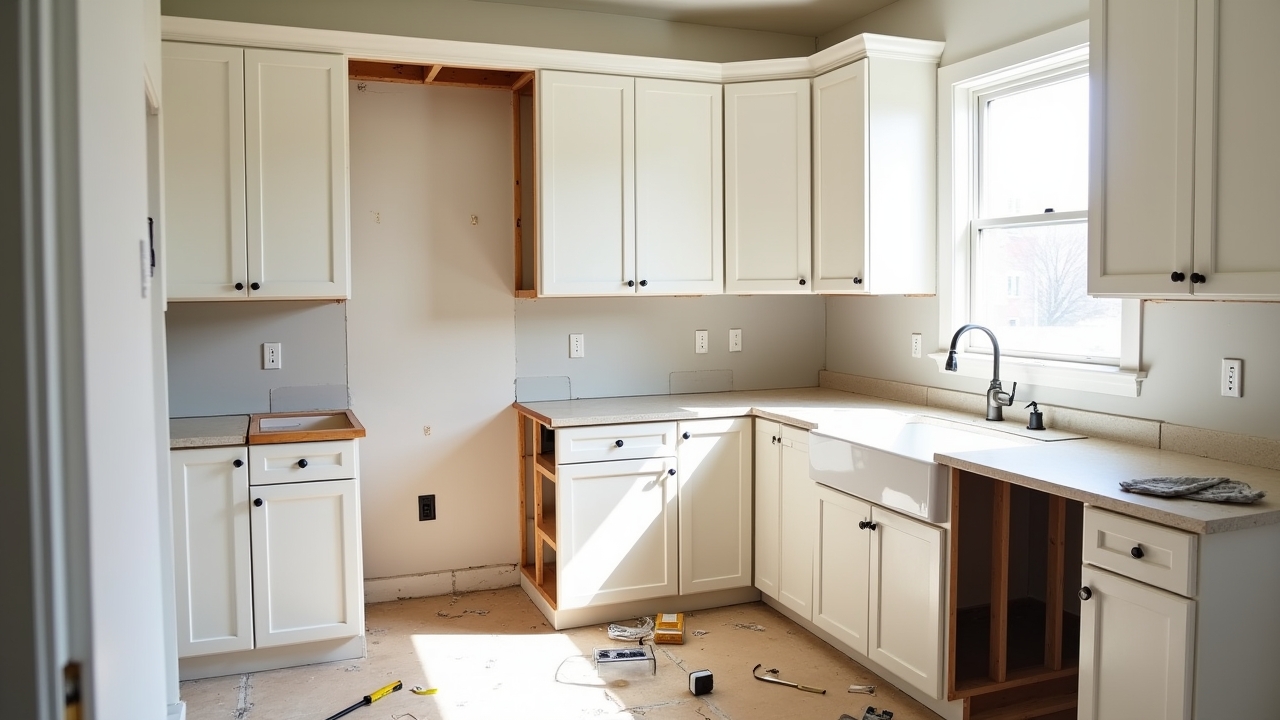
So here’s my story. I bought this tired little 2-bedroom rental in 2021, ugly linoleum floors, outdated cabinets, the whole nine yards. Rent was sitting at $1,100 a month, which honestly felt low even for the area.
I spent about $8,000 on a kitchen refresh, new countertops, cabinet fronts, updated fixtures. Nothing crazy fancy. Within three months I re-rented it for $1,450 a month. That’s an extra $4,200 a year just from one renovation, and my property’s value jumped significantly because appraisers look at rental income when valuing investment properties (check out this income approach method if you wanna nerd out on the math).
- Focus on kitchens and bathrooms first, they give the best ROI
- Don’t over-improve for the neighborhood, you’ll never recoup it
- Get contractor quotes from at least 3 people before committing
Other Ways to Force Appreciation (Beyond Just Renovating)
Renovations aren’t the only play here. There’s a bunch of other strategies I’ve tried, some worked great, some flopped hard.
Advertisements
Adding Square Footage or Units
Converting a garage into an ADU (accessory dwelling unit) can seriously boost value and rental income. I attempted this on a property in 2022 and, well, the permitting process took me almost eight months. Frustrating doesn’t even cover it. But once it was done? That extra unit added $900/month in rent. Totally worth the headache in hindsight.
Improving Management and Reducing Vacancy
This one’s sneaky good. If your property manager (or you) sucks at filling vacancies quickly, that’s lost income every single month. I switched property management companies after my first one let a unit sit empty for 4 months, ridiculous. My new manager fills vacancies in under two weeks usually.
Raising Rents to Market Rate
Sometimes you’re just under-charging, plain and simple. Use tools like Rentometer to check what comparable units in your area are renting for. I was shocked to discover I was charging almost $200 under market on one unit.
Mistakes I Made (So You Don’t Have To)
I’m not gonna pretend I nailed this every time. On one property, I sunk $15,000 into upgrades that the neighborhood just couldn’t support. Nobody was willing to pay premium rent in that area no matter how nice the granite countertops looked. Lesson learned: always research your comps BEFORE you renovate, not after.
Also, and this is embarrassing, I once forgot to factor permit costs into a bathroom remodel budget. Blew way past what I’d planned. Always add a 15-20% buffer to your renovation budget for surprises, because there’s always something.
Quick Checklist Before You Force Appreciation
- Research comparable rents and sale prices in your specific neighborhood
- Get multiple contractor bids and factor in permit timelines
- Prioritize improvements with the best ROI (kitchens, bathrooms, curb appeal)
- Consider adding square footage or units if zoning allows
- Always double check local rent control laws before raising rents
That last point matters a lot. Some cities have strict rent increase caps, so do your homework through your local HUD office or city housing authority before you start dreaming about bigger rent checks.
Your Next Move Starts Now
Forcing appreciation isn’t about luck, it’s about being strategic with your rental property and treating it like the business it actually is. Every market’s different though, so customize these tips to your specific property, budget, and local regulations before diving in headfirst. And please, always keep tenant safety and fair housing laws in mind, cutting corners never pays off long-term.
If this got you fired up about maximizing your rental income, you’re gonna want to check out more real-world investing breakdowns over at the Rent Yield Lab blog. There’s a ton of practical stuff there that’ll help you squeeze more value out of every property you own!