
Advertisements
Hard Money Loans vs DSCR Loans: Which One Actually Makes Sense?
Did you know that over 60% of real estate investors get rejected by traditional banks at least once before finding the right financing? Yeah, I was part of that statistic! And honestly, that rejection letter sitting in my inbox back in 2019 taught me more about creative financing than any book ever could.
So here’s the thing – if you’re knee-deep in the investment property game, you’ve probably heard people throwing around “hard money” and “DSCR loans” like everyone just knows what they mean. Spoiler alert: they don’t! I sure didn’t when I first started flipping houses.
What Even Is a Hard Money Loan?
Let me break this down the way I wish someone had explained it to me. A hard money loan is basically short-term financing from private lenders or investor groups, not your typical bank down the street. These loans are secured by the property itself rather than your credit score.
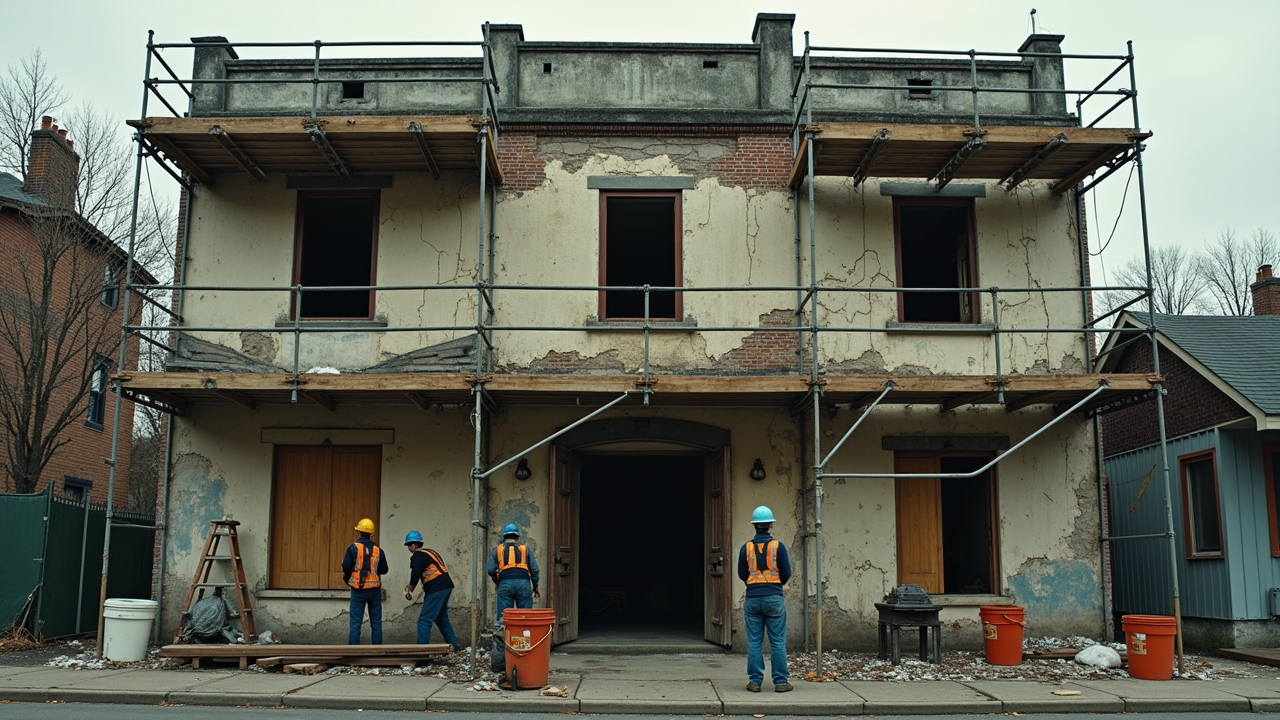
I remember my first hard money deal like it was yesterday. I needed cash fast for a fixer-upper in a neighborhood that was, let’s say, “up and coming” (real estate speak for sketchy but promising). Traditional lenders wanted nothing to do with it. A hard money lender approved me in like four days.
- Fast approval, sometimes within 24-48 hours
- Higher interest rates, typically 8-15%
- Short repayment terms, usually 6-24 months
- Based mostly on property value, not your income
The downside? Those rates will make your eyes water. I paid nearly 12% on that first loan, plus points upfront. It stung, but the deal still made sense because I flipped it in five months and walked away with a solid profit.
Now Let’s Talk DSCR Loans
DSCR stands for Debt Service Coverage Ratio, and honestly, the acronym sounds way more complicated than it actually is. This type of loan looks at whether your rental property’s income covers the mortgage payment. Your personal income? Barely matters here.
I switched to using DSCR loans once I started building a rental portfolio instead of just flipping. Why? Because these loans are built for long-term buy-and-hold investors, not quick flips.
Advertisements
- Qualification based on rental income vs mortgage payment
- Longer terms, often 30-year fixed options
- Lower rates compared to hard money, usually 7-9%
- No tax returns or W2s required in most cases
My accountant actually laughed when I told her I qualified for a DSCR loan without showing any personal income documents. She’d been fighting with conventional lenders for years trying to get my deals approved, so this felt like a small victory, ya know?
The Real Differences That Matter
Here’s where I made a mistake early on – I assumed these two loan types were interchangeable. They’re not, not even close. Hard money is your emergency fund, your bridge, your “I need this now” solution.
DSCR loans are more like the marathon runner of financing. They’re built for holding properties, collecting rent, and building equity slowly over time. I’ve used both, and honestly, the strategy depends entirely on your exit plan.
When Hard Money Makes Sense
If you’re flipping, wholesaling, or need to close on a distressed property before someone else snatches it up, hard money is your friend. Just don’t get comfortable there – those rates will eat your profits if you sit too long.
When DSCR Loans Win
If your goal is building a rental portfolio (which, let’s be real, is where the real wealth happens), DSCR loans are the smarter long-term play. I wish I’d discovered these sooner instead of refinancing hard money loans over and over like some kind of financial hamster wheel.
One tip I learned the hard way: lenders offering DSCR loans usually want your rental property to have a DSCR ratio of at least 1.0, meaning rental income covers the mortgage completely. Some lenders want 1.2 or higher for better rates. Shop around, because terms vary wildly between lenders like LendingOne and others in the space.
My Honest Take After Years of Doing This
I’ve used hard money for three flips and DSCR loans for building my rental portfolio of six properties. Both have their place, but neither is a magic bullet. There’s frustration involved either way, trust me.
The biggest lesson? Match the loan type to your investment strategy, not the other way around. Don’t force a DSCR loan onto a quick flip, and don’t use hard money for a buy-and-hold rental unless you plan to refinance fast.
Real estate financing isn’t one-size-fits-all, and honestly, neither am I when it comes to giving advice – every deal’s a little different, so take what works for your situation.
Understanding the difference between hard money loans and DSCR loans could genuinely save you thousands of dollars and countless headaches down the road. Always customize your approach based on your specific property, market, and financial goals, and never skip doing your due diligence on lenders before signing anything. If you found this helpful, swing by the Rent Yield Lab blog for more real talk on real estate investing – trust me, there’s a lot more where this came from!