
Advertisements
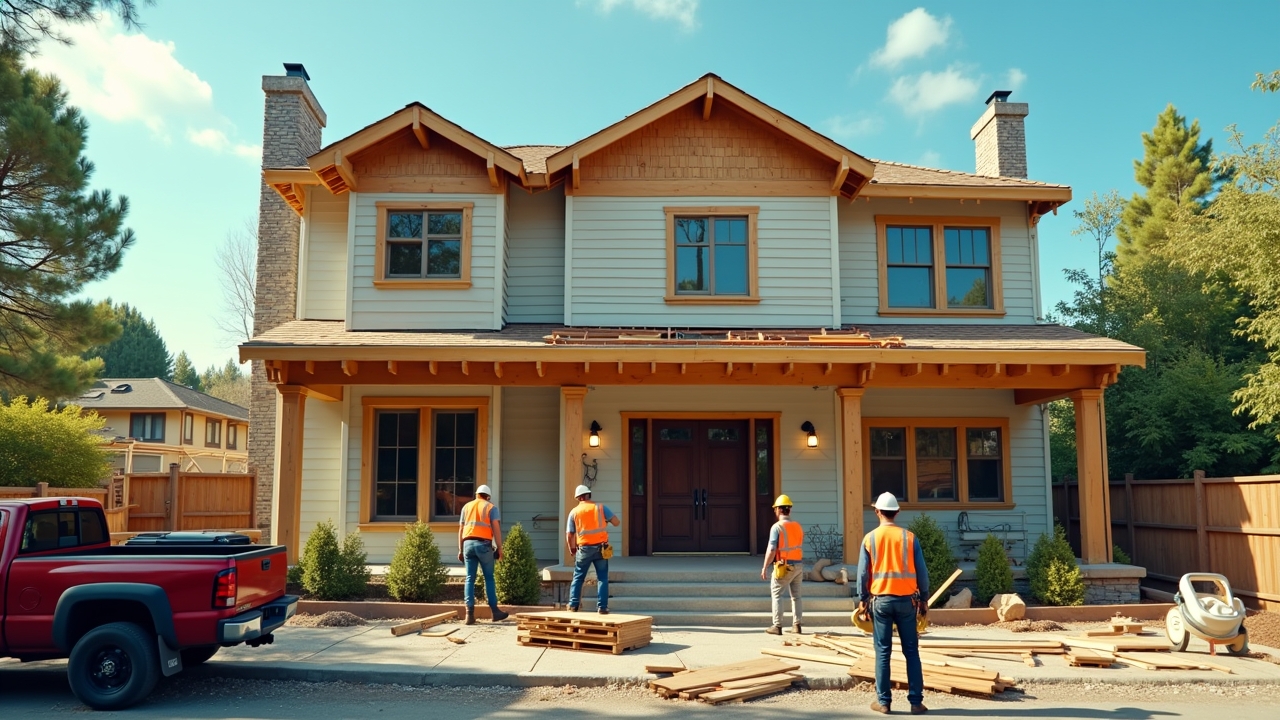
Turning a Distressed Property Into a Rental Goldmine (My Messy, Honest Journey)
Did you know distressed properties can sell for 20-30% below market value, according to ATTOM Data Solutions? That stat alone got me hooked on this whole thing back in 2019! I’m not gonna lie, though—turning a distressed property into a rental wasn’t the smooth, HGTV-style journey I imagined. It was messy, expensive, and honestly kind of terrifying at times, but man, was it worth it in the end.
If you’re thinking about flipping a beat-up house into a rental income machine, I want to walk you through what actually happens. Not the Instagram version. The real one, with the mold I found and the contractor who ghosted me for three weeks.
What Even Is a Distressed Property?
Basically, a distressed property is a home that’s in rough shape or in some kind of financial trouble. Think foreclosures, short sales, or houses that just got abandoned and left to rot. My first one was a foreclosure that had been sitting empty for almost two years.
- Foreclosures (bank-owned properties)
- Short sales (owner owes more than the house is worth)
- Tax-defaulted properties
- Homes damaged by fire, flooding, or neglect
- Probate properties (inherited houses nobody wants to deal with)
The appeal is obvious—cheap purchase price. But here’s the thing nobody tells you upfront: cheap purchase price doesn’t mean cheap overall. I learned that the hard way, and my wallet still remembers.
My First Distressed Property (And My First Big Mistake)
So I bought this little three-bedroom ranch at auction for way under market. I was thrilled! I thought I’d gotten the deal of the century. Then I opened the crawl space and, well, let’s just say nature had moved in and set up permanent residence.
I didn’t budget for a full inspection before bidding, which honestly is rookie stuff. Don’t be like me. Sites like the American Society of Home Inspectors can help you find qualified inspectors, even for properties you’re buying sight-unseen at auction, though sometimes you gotta get creative with drive-by assessments.
The Renovation Reality Check
Renovating a distressed property for rental use isn’t the same as flipping it to sell. You’re not going for granite countertops and Pinterest-worthy backsplashes. You’re going for durable, functional, and tenant-proof.
Advertisements
- Vinyl plank flooring instead of hardwood (survives pet accidents and moving trucks)
- Neutral paint colors that hide scuffs
- Quality HVAC systems (tenants will call you at midnight if the AC breaks)
- Solid, no-frills fixtures that won’t need replacing every year
I spent way too much on fancy light fixtures for my first rehab. Big mistake. Tenants don’t care about that stuff nearly as much as landlords think they do—they care about working outlets and water pressure that doesn’t feel like a sad drizzle.
Financing: Where Things Get Complicated
Traditional mortgages usually won’t touch distressed properties, especially if they’re not livable yet. I ended up using a hard money loan for my first project, which honestly stressed me out because the interest rates were brutal.
Here’s what worked eventually: I switched to a renovation loan for my second property, something like an FHA 203(k) loan. You can read more about how those work through HUD’s official page. It bundles the purchase price and renovation costs into one loan, which saved me from juggling two separate payments and losing my mind.
The Numbers That Actually Matter
I’m gonna be real with you, the math matters way more than the emotional excitement of finding a “deal.” Before buying, I calculate everything now.
- Purchase price plus estimated renovation costs
- After-repair value (ARV) compared to similar rentals nearby
- Expected monthly rent based on comparable listings
- Cap rate and cash-on-cash return
- A contingency fund of at least 15-20% for surprises (there’s always a surprise)
My second property actually cash-flowed way better than my first, mostly because I didn’t skip the contingency planning that time. Lesson learned, painfully but thoroughly.
Dealing With Contractors Without Losing Your Mind
Oh boy. This deserves its own book, honestly. I had one contractor disappear for three weeks mid-project because he “got another job.” Communication was basically nonexistent, and I nearly lost my sanity waiting for updates.
What actually helped was getting everything in writing—timelines, payment schedules, scope of work. I also started asking for references and checking reviews on platforms like Angi before hiring anyone again. Trust but verify, as they say.
Screening Tenants for a Rehabbed Property
Once the renovation’s done, don’t just rent to the first person who applies because you’re desperate to stop paying an empty mortgage. I made that mistake once and regretted it within two months.
- Run credit and background checks every single time
- Verify income (usually 3x the rent minimum)
- Call previous landlords, not just the current one
- Trust your gut during the walkthrough
Good tenants make a distressed-turned-rental property actually profitable. Bad tenants can undo months of hard renovation work in weeks.
So, Was It Worth It?
Absolutely, but it’s not for everyone. Turning a distressed property into a rental takes patience, a decent stomach for stress, and a realistic budget that includes extra padding for the unexpected. It’s part financial strategy, part emotional rollercoaster, honestly.
Every property’s different, so take what I’ve shared here and adjust it to your local market, your budget, and your risk tolerance. Always double-check safety codes, permits, and local landlord-tenant laws before diving in—rules vary a ton by state and city. If you found this helpful and want more real talk about rental strategies, property investing, and the stuff nobody tells you upfront, go check out more posts over at the Rent Yield Lab blog. There’s a lot more where this came from, and I promise it’s not the sanitized, everything-goes-perfectly version of real estate investing.