Advertisements
Did you know that the average kitchen remodel only recoups about 38% to 68% of its cost at resale, depending on the scope (according to Remodeling Magazine’s Cost vs. Value Report)? That stat kinda blew my mind the first time I saw it! As a landlord who’s poured way too many weekends into flipping rentals, I gotta tell you, renovation ROI on a rental property is a totally different beast than fixing up your own home.
I learned this the hard way, and honestly, that’s why I’m writing this. If you’re thinking about renovating a rental, you need to think like an investor, not a homeowner. Let’s dig in.
Why Rental Renovation ROI Isn’t the Same Game
When you renovate your own house, you’re often chasing comfort or personal taste. With a rental, it’s pure numbers, baby. You gotta ask yourself: will this upgrade increase my rent enough, or boost my property value enough, to justify the cost?
I once spent $12,000 on a fancy quartz countertop and custom cabinets in a rental unit. Big mistake. My tenant turnover rate didn’t change one bit, and I couldn’t raise rent enough to make up the difference in a reasonable time. Lesson learned: rental renovations are about smart, targeted upgrades, not flexing your interior design skills.
The Renovations That Actually Pay Off
Not all upgrades are created equal. Some renovations genuinely move the needle on rental income and property value, while others are just money pits dressed up as “improvements.”
- Fresh paint (neutral colors) — cheap, fast, and tenants love a clean look
- New flooring (LVP is durable and looks great) — reduces maintenance costs long-term
- Updated light fixtures — small cost, big visual impact
- Energy-efficient windows or appliances — attracts tenants wanting lower utility bills
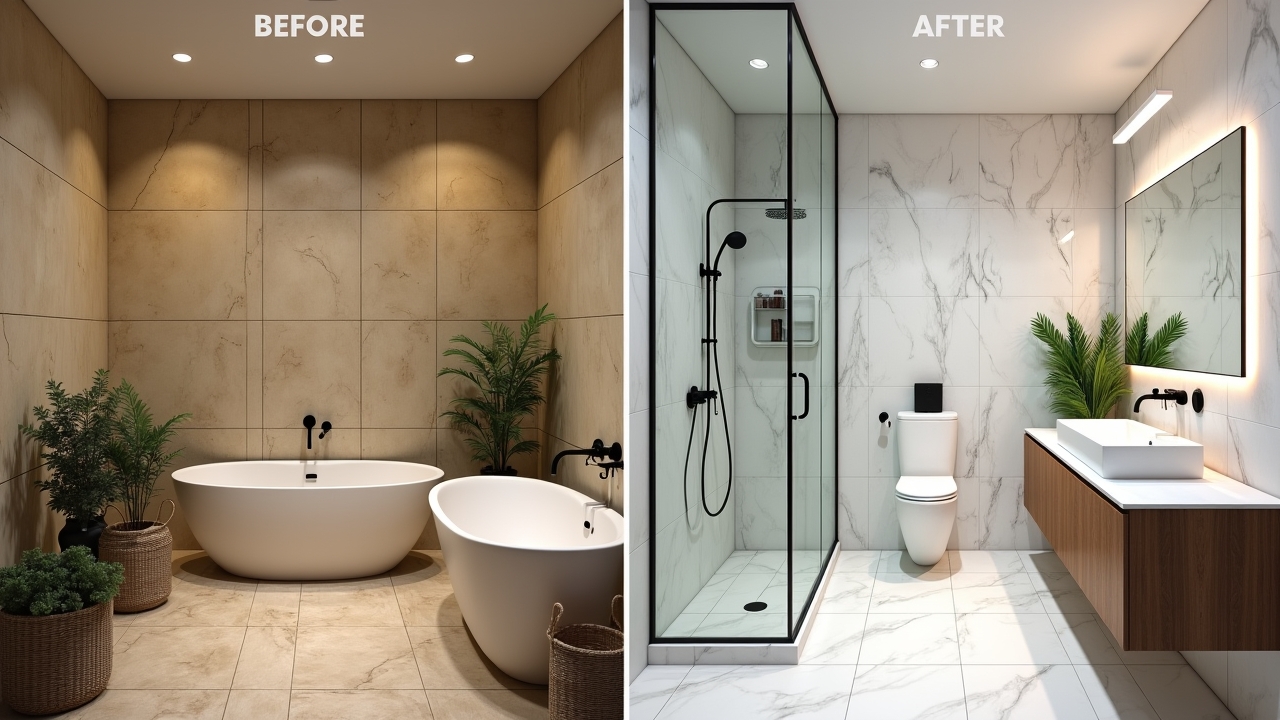
- Bathroom refresh (not full gut, just fixtures and vanity) — solid ROI without breaking the bank
I redid the flooring in one of my duplexes with LVP a couple years back, and honestly? Tenants comment on it constantly. It’s durable, looks upscale, and I haven’t had a single complaint about scuffs or damage since. That’s the kind of win you want.
What to Skip (Unless You Love Wasting Money)
Look, I get it, HGTV makes everything look so tempting. But full kitchen remodels, luxury finishes, or anything super trendy? Skip it, unless you’re in a high-end market where tenants expect that stuff.
Advertisements
I’ve made the mistake of installing a smart thermostat and fancy smart locks in a mid-tier rental, thinking it’d wow tenants. It didn’t. Nobody paid extra for it, and honestly, half the time tenants didn’t even know how to use the app properly (which, don’t get me started on that mess).
Calculating Your Renovation ROI
This part’s actually pretty simple once you get the hang of it. You want to compare the cost of the renovation against the increase in either rental income or resale value.
Here’s a basic formula I use:
ROI = (Increase in Annual Rent x 12 – Renovation Cost) / Renovation Cost x 100
So if you spend $5,000 on a renovation and it lets you raise rent by $100/month, that’s $1,200 a year in extra income. Your ROI in year one would be about 24%. Not bad, right? The BiggerPockets community has some great real-world examples if you want to see how other investors run these numbers.
My Biggest Renovation Regret (And What I’d Do Differently)
Okay, story time. A few years ago, I bought this run-down triplex thinking I’d “add value” by renovating all three units at once, top to bottom. I budgeted $30,000. It ended up costing $47,000 because, surprise, surprise, there was mold behind the walls in unit two that nobody mentioned during inspection.
That renovation took almost 4 months instead of the planned 6 weeks, and I lost rental income the entire time. If I’d staged the renovations, doing one unit at a time while the others stayed occupied, I would’ve saved thousands in lost rent and reduced my stress by like, a lot.
Moral of the story: always budget extra for surprises, and consider staggering renovations if you own a multi-unit property.
Quick Tips Before You Start Swinging That Hammer
- Get multiple contractor quotes, always
- Research comparable rents in your area before committing to upgrades
- Prioritize renovations that reduce future maintenance costs
- Don’t over-improve for your neighborhood’s rental market
- Factor in vacancy costs during the renovation period
Honestly, the biggest thing I wish someone had told me earlier is that renovation ROI isn’t just about the finished product. It’s about timing, market awareness, and knowing your tenant demographic inside and out.
Renovating a rental property can genuinely boost your cash flow and property value, but only if you approach it strategically, not emotionally. Always double check local safety codes and permits before starting any project, because cutting corners there can cost you way more down the line (trust me, or trust the horror stories on r/realestateinvesting, they’re wild).
If you found this helpful, do yourself a favor and check out more real-world investing insights over at the Rent Yield Lab blog. There’s a ton of practical advice there that’ll save you from making the same mistakes I did!