Advertisements
The BRRRR Method Real Estate Strategy That Changed My Rental Game
Did you know that real estate investors who use the BRRRR method can theoretically recycle the same chunk of capital over and over again to buy multiple properties? I didn’t believe it either until I tried it myself! Honestly, the first time someone explained the BRRRR method to me at a landlord meetup, I thought it sounded like some kind of pyramid scheme. Turns out, it’s just smart, methodical investing (with a few headaches along the way).
If you’re new here, BRRRR stands for Buy, Rehab, Rent, Refinance, Repeat. It’s a strategy that lets you build a rental portfolio without needing a fresh pile of cash for every single deal. That’s a huge deal if you’re like me and don’t have rich uncles funding your real estate dreams.
What Exactly Is the BRRRR Method?
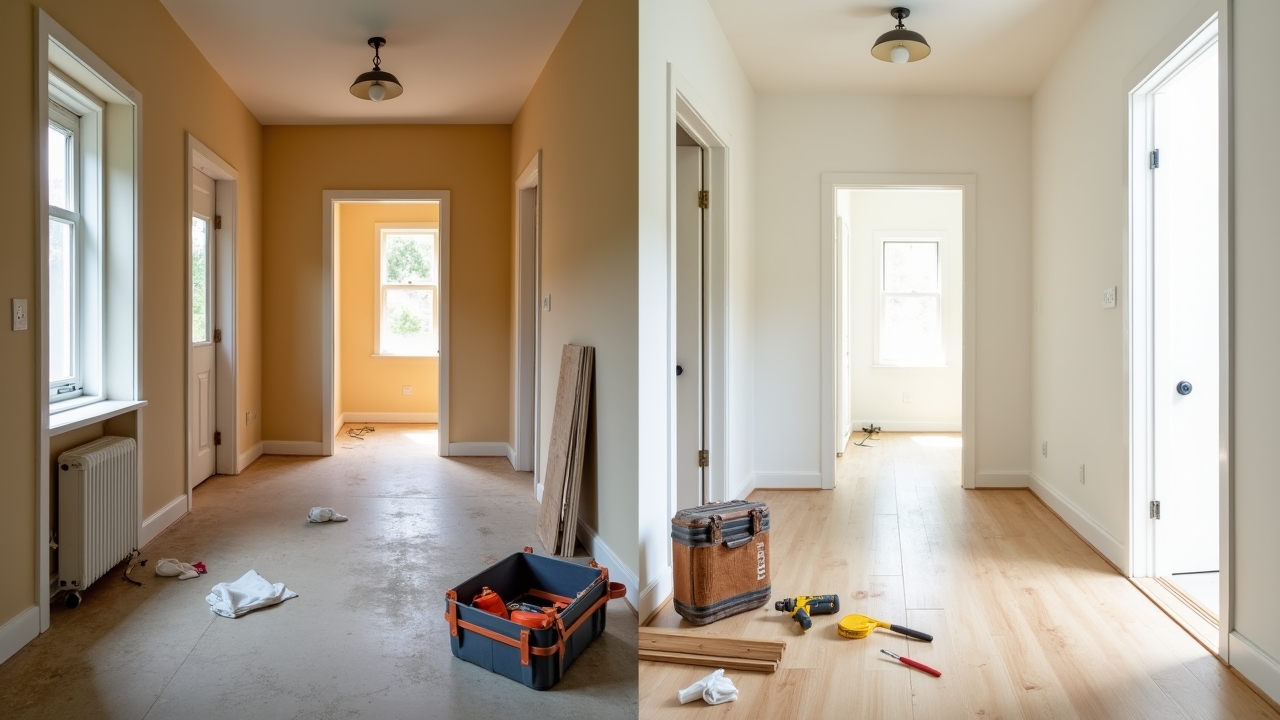
Let’s break it down real quick, teacher-style. You buy a distressed property, usually below market value. Then you rehab it, meaning you fix it up so it’s livable and attractive to tenants. After that, you rent it out to generate cash flow, then you refinance to pull your original cash back out, and finally you repeat the whole process with a new property.
- Buy: Find a fixer-upper priced under market value
- Rehab: Renovate it enough to boost its appraised value
- Rent: Get a tenant in there paying you monthly
- Refinance: Take out a cash-out refinance loan based on new value
- Repeat: Use that cash to buy your next property
Sounds simple on paper, right? Well, my first attempt was anything but simple, and I learned that the hard way.
My First BRRRR Deal (And Why I Almost Gave Up)
So picture this. I bought a run-down duplex in a decent neighborhood, thinking I’d flip through the rehab in like six weeks. Ha! It took four months. The contractor I hired ghosted me for two weeks in the middle of a bathroom remodel, and I was left scrambling to find someone else who wasn’t already booked solid.
Here’s a tip I wish someone had told me: always have a backup contractor lined up before you start. Seriously, this one mistake cost me almost three grand in holding costs, mortgage payments, utilities, all that stuff piling up while nobody’s paying rent yet. It was frustrating, and there were nights I genuinely questioned whether real estate investing was for me.
But once the rehab was finally done and I got tenants in, things started clicking. The property appraised higher than expected, and my refinance actually pulled out more cash than I put in originally. That triumph moment made all the stress worth it, I won’t lie.
Advertisements
The Refinance Step Is Where People Mess Up
This part trips up so many beginners, myself included at first. Lenders aren’t just gonna hand you cash back because you slapped on some new paint and called it a day. They want to see that the property’s after-repair value (ARV) is genuinely higher, and most banks require you to wait a “seasoning period,” often six months to a year, before they’ll refinance based on the new appraisal.
I learned this after calling like five different lenders who all gave me different answers about seasoning requirements. Annoying? Yes. Necessary? Also yes. My advice: talk to a local credit union or community bank, they tend to be more flexible than the big national ones. You can check resources like BiggerPockets for updated lender recommendations from other investors who’ve been through it.
Quick Tips for Nailing Your Refinance
- Keep detailed records and receipts of all rehab expenses
- Get a pre-appraisal estimate before the official one
- Shop around with multiple lenders for seasoning requirements
- Don’t over-improve the property beyond neighborhood standards
Common Mistakes I See (and Made) With the BRRRR Method
One thing nobody warns you about enough is underestimating rehab costs. I’ve done this twice now, and both times I was off by at least 20%. Old pipes, hidden mold, electrical issues you can’t see until you open up walls, this stuff adds up fast.
Another mistake is buying in the wrong area just because the price seems cheap. A property might look like a steal, but if nobody wants to rent there, you’re stuck. Always research rental demand and vacancy rates for the specific neighborhood, not just the city overall.
And honestly, patience is everything with this strategy. It’s not a get-rich-quick thing, it’s more like a get-rich-slowly-but-surely-if-you-do-it-right thing. Tenants take time to find, rehabs take longer than planned, and refinancing takes patience too.
Is BRRRR Right for You?
If you’ve got some savings, a decent tolerance for stress, and access to reliable contractors, this method can genuinely build long-term wealth. It’s not for everyone though. If you hate managing projects or dealing with unexpected surprises, this might not be your cup of tea.
I’ll be honest, there were points where I wanted to quit entirely. But seeing that first refinance check land in my account, knowing I could use that money for my next deal, that feeling is hard to beat.
Ready to Start Your Own BRRRR Journey?
The BRRRR method isn’t magic, but it is powerful when you understand the numbers and stay patient through the messy middle parts. Every market’s different, so make sure you customize your approach based on local rehab costs, lending rules, and rental demand in your specific area.
Always double check safety codes and work with licensed contractors, cutting corners on rehab work can come back to bite you (and your tenants) later. If you’re serious about growing your rental portfolio strategically, head over to the Rent Yield Lab blog for more real, honest breakdowns of strategies like this one. There’s a ton of practical info there that’ll save you from making the same mistakes I did!