Advertisements
How to Estimate Rehab Costs on a Rental Property (Without Losing Your Shirt)
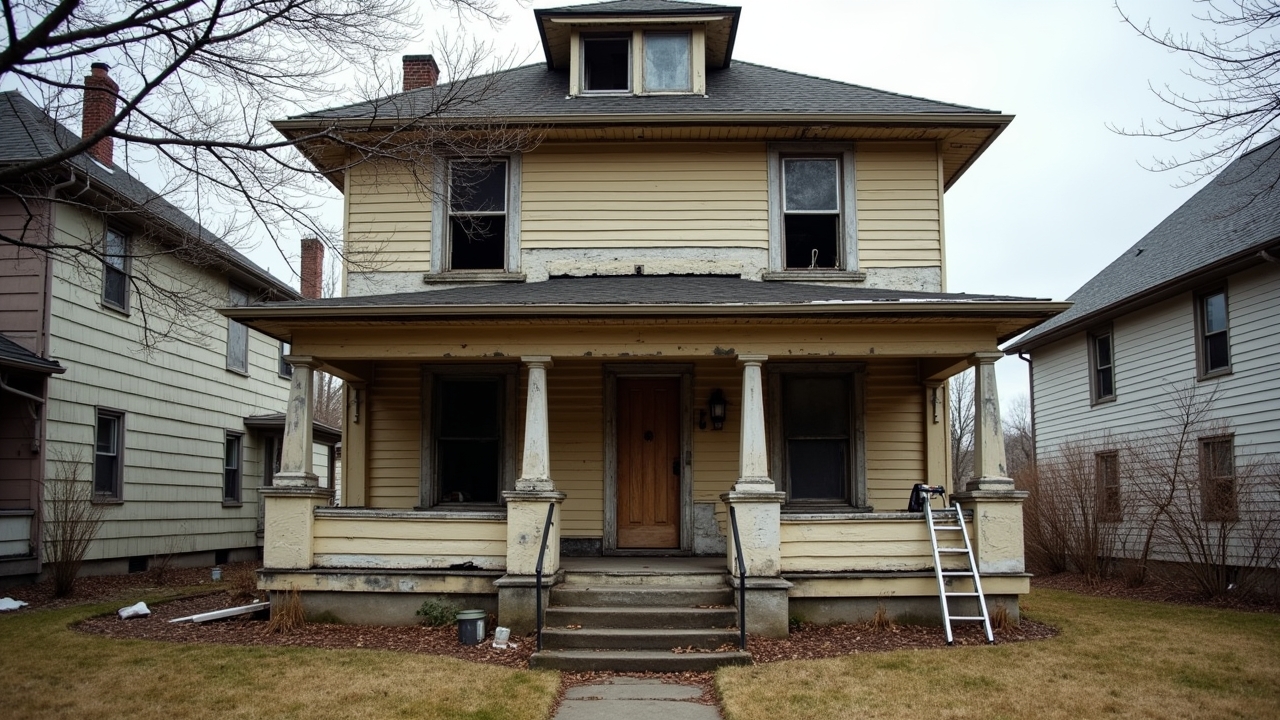
Did you know that nearly 30% of first-time real estate investors blow their renovation budget by at least 20%? Yeah, I read that stat somewhere years ago and honestly, I laughed it off at first. Then I became one of those statistics! Estimating rehab costs on a rental property is genuinely one of the trickiest parts of this whole investing game, and if you get it wrong, it can eat your cash flow alive before you even get a tenant in the door.
I’ve been buying, fixing, and renting properties for a little over a decade now, and I still mess up estimates sometimes. But I’ve learned enough scars-earned lessons to help you avoid the worst mistakes. Let’s get into it.
Why Rehab Cost Estimates Matter So Much
Here’s the thing nobody tells you when you’re starting out: your offer price on a property is basically worthless without a solid rehab estimate attached to it. You could find the deal of the century, but if you lowball the repair costs, you’ll overpay and turn a good deal into a bad one real quick.
I remember my second flip-turned-rental. I walked through the house for maybe fifteen minutes, eyeballed the kitchen, and thought “eh, five grand for cosmetic stuff.” Wrong. So wrong. Turned out the plumbing behind that “cosmetic” kitchen wall was original from the 1960s and needed a full repipe. That fifteen-minute mistake cost me an extra $8,000 I hadn’t budgeted for.
The 70% Rule (And Why It’s Just a Starting Point)
Most investors have heard of the 70% rule, which says you shouldn’t pay more than 70% of the after-repair value (ARV) minus repair costs. It’s a decent quick filter, but don’t treat it like gospel. It doesn’t account for regional cost differences, and it definitely doesn’t account for that one contractor who ghosts you three weeks into the job (been there).
Use it as a first pass. Then dig deeper before you actually commit any money.
Breaking Down Rehab Costs Category by Category
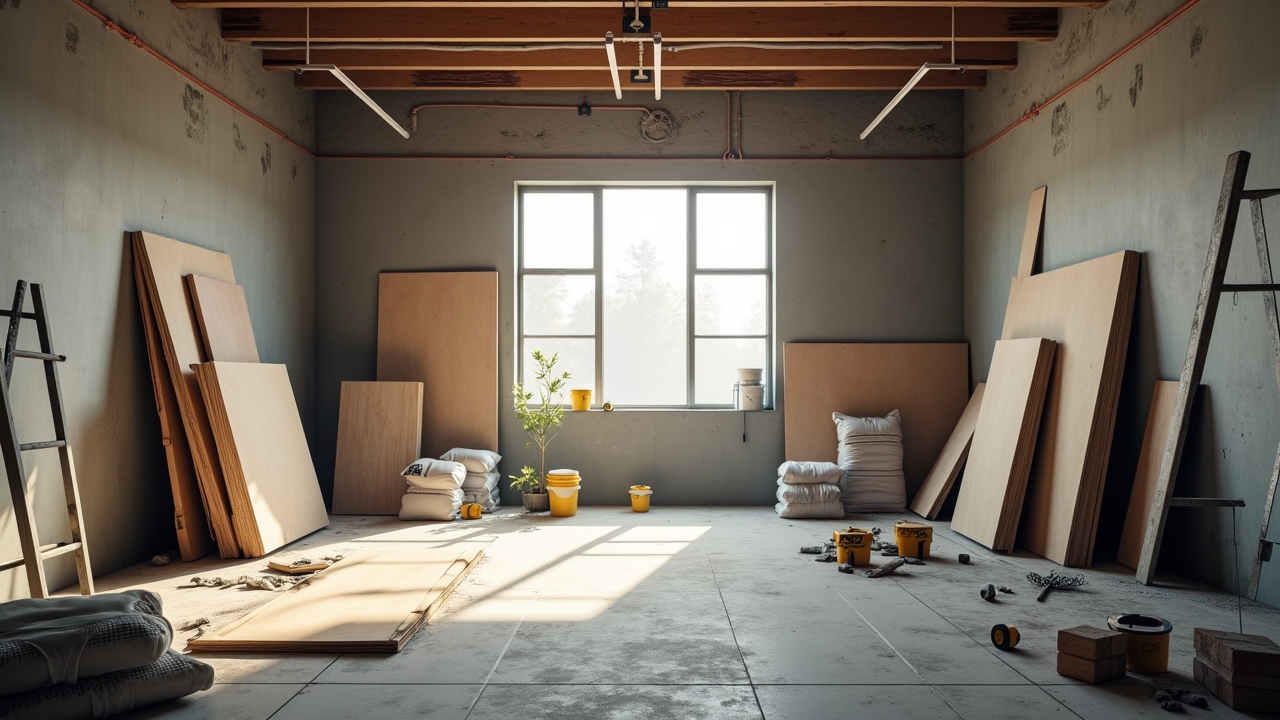
When I estimate rehab costs now, I break everything into categories instead of guessing a lump sum. This has saved me so many headaches. Here’s roughly how I split things up:
Advertisements
- Structural and foundation issues
- Roofing
- Plumbing and electrical
- HVAC systems
- Kitchen and bathroom renovations
- Flooring and paint
- Landscaping and curb appeal
- Permits and inspection fees
Each category gets its own line item, and I always, always add a contingency fund on top. We’ll get to that in a sec because it’s honestly one of the most important tips I can give you.
Getting Contractor Quotes Early
I can’t stress this enough: get at least three contractor quotes before you close on a property, not after. I know it feels backwards, like why would a contractor walk a house you don’t even own yet? But most will, especially if you tell them you’ve got more deals coming down the pipeline.
One time I skipped this step because I was in a rush (there was a bidding war, classic investor panic), and I ended up eyeballing the electrical work myself. Big mistake. The actual quote came in almost double what I guessed. Lesson learned the hard way, folks.
The Contingency Fund Nobody Wants to Budget For
Add 10-20% on top of your total estimated rehab costs for surprises. I know, I know, it feels like padding numbers unnecessarily. But older homes especially love to hide surprises behind walls, under floors, and in crawl spaces you didn’t even know existed.
I’ve had jobs come in exactly on budget maybe twice in ten years. Everything else needed that cushion.
Tools like the HomeAdvisor cost guide can give you ballpark figures for specific projects in your area, which helps a ton when you’re trying to sanity-check a contractor’s quote.
DIY vs. Hiring It Out
Look, I get the appeal of DIY. Saving labor costs feels great on paper. But be honest with yourself about your skill level and, more importantly, your time. I tried tiling a bathroom myself once to save maybe $600. It took me three weekends instead of the contractor’s promised two days, and honestly the tile job still looks a little wonky if you look close enough.
Sometimes the math works out better just paying someone who does it every single day for a living.
Regional Cost Differences Are Real
Rehab costs in rural Ohio are not the same as rehab costs in coastal California, obviously, but new investors underestimate just how much this varies even within the same state. Labor costs, material availability, and permit fees can swing wildly from county to county.
Talk to local investors in your target market, join local real estate meetups, or check forums like BiggerPockets forums to get a feel for real, current numbers instead of relying on national averages.
A Few Practical Tips Before You Go Estimate Your Next Deal
- Walk the property with a contractor, not alone, whenever possible
- Photograph everything for reference later
- Get multiple quotes, always
- Budget a contingency fund of at least 15%
- Check permit requirements before assuming DIY is an option
- Factor in holding costs during the rehab period too
Estimating rehab costs is part science, part experience, and honestly part gut feeling that only comes from doing it (and messing it up) a few times. Take your numbers seriously, build in cushion for the unexpected, and always customize your estimates based on your specific property, market, and contractor relationships rather than copying someone else’s spreadsheet exactly.
And please, for the love of all things drywall, don’t skip safety inspections just to save a few bucks upfront. Lead paint, asbestos, and structural issues are not the place to cut corners.
If this got you thinking more seriously about your next rental property project, swing by the Rent Yield Lab blog for more real-world investing tips, tools, and the occasional cautionary tale from folks who’ve been exactly where you are right now!