Advertisements
Break Even Occupancy Rate Airbnb: The Number That Almost Wrecked My First Rental
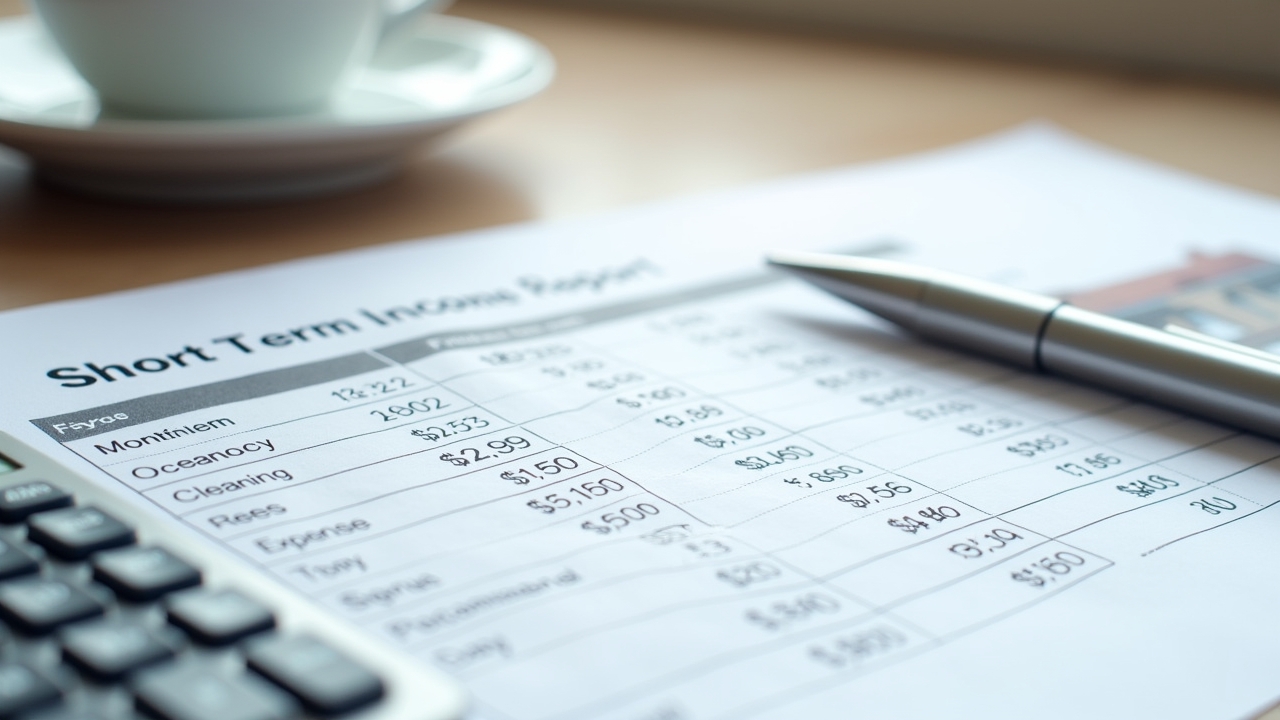
Did you know that the average Airbnb host needs their property booked roughly 50-60% of the year just to cover costs before seeing a dime of profit? I didn’t know that either, not until I bought my first short-term rental and nearly panicked myself into selling it after month two! Understanding your break even occupancy rate isn’t some boring spreadsheet exercise, it’s literally the difference between running a business and running a very expensive hobby.
I’m gonna walk you through what this number actually means, how I calculate it (badly, at first), and why ignoring it almost cost me my sanity and my savings.
So What Even IS Break Even Occupancy Rate?
Break even occupancy rate is the minimum percentage of nights you need to book in a year (or month) just to cover all your expenses. Not to make profit. Just to not lose money. When I first heard this term I thought, “eh, I’ll just figure it out as I go,” which, looking back, was a rookie mistake of epic proportions.
Here’s the basic formula, and it’s not as scary as it looks:
- Total Monthly Expenses ÷ (Nightly Rate x Total Nights Available) = Break Even Occupancy Rate
- Expenses include mortgage, utilities, cleaning fees, platform fees, insurance, and maintenance reserves
- Nightly rate should be your realistic average, not your best case dream scenario
My cousin actually runs a small property management side hustle and he was the one who finally sat me down and made me do this math properly. Turns out I’d been guessing my expenses the whole time, and guessing is not a financial strategy, folks.
My Painful (But Educational) Break Even Story
When I bought my little cabin rental in the mountains, I estimated I’d need about 40% occupancy to break even. Sounded totally doable, right? Wrong. I forgot to factor in a chunk of my property management fees and the seasonal dip in bookings during shoulder months.
Turns out my real break even occupancy rate was closer to 58%. That’s a massive difference! I remember staring at my bank statement in October thinking, “wait, where did all my money go?” It was frustrating, but also kind of a wake-up call I desperately needed.
Advertisements
Once I recalculated everything (properly this time, using a tool similar to what’s outlined on AirDNA), I realized I needed to either raise my nightly rate slightly or cut some unnecessary expenses like that fancy coffee subscription service I’d added for guests. Small changes, but they mattered a ton.
Common Mistakes Hosts Make (I Made Most of Them)
- Forgetting to include cleaning fees as a real expense, even when guests pay for them separately
- Not accounting for Airbnb’s service fees, which typically run 3% for hosts
- Using peak season nightly rates instead of a realistic yearly average
- Ignoring maintenance costs until something breaks (and something always breaks)
- Ballin’ on optimism instead of actual booking data from similar properties nearby
I’ve done every single one of these things at some point. Learning through mistakes is expensive, but hey, at least it’s memorable.
How to Actually Calculate Yours (Step by Step)
Alright, let’s get practical here because this is the stuff that actually helps. Grab a notebook or open a spreadsheet, whatever works for you.
- Step 1: List every single monthly expense, even the small annoying ones like pest control
- Step 2: Calculate your average nightly rate based on last year’s data or comparable listings in your area
- Step 3: Divide total expenses by your nightly rate to get the number of nights you need booked
- Step 4: Divide that number by total nights available in the month to get your percentage
Tools like the calculator on Mashvisor can help speed this process up, but honestly, doing it manually the first time taught me way more than any automated tool ever could. There’s something about seeing the numbers add up in real time that makes it click.
Why This Number Changes Seasonally
Here’s something nobody told me starting out: your break even occupancy rate isn’t fixed. It shifts depending on the season, local events, and even weird stuff like weather patterns.
During ski season near my cabin, I barely need 30% occupancy to break even because nightly rates skyrocket. But during that awkward “mud season” in spring? I need almost 70% just to stay afloat. Knowing this ahead of time helps me plan pricing strategies and avoid those anxious “why is nobody booking” spirals.
Tips That Actually Moved My Numbers
- Adjust pricing dynamically using tools like PriceLabs instead of setting a flat rate year round
- Cut unnecessary amenities that don’t boost your booking rate but do boost your costs
- Negotiate better rates with your cleaning service, especially if you’re a repeat customer
- Consider minimum stay requirements during low season to reduce turnover costs
Small tweaks, big impact. I promise you’ll feel like a genius the first time you see your break even rate drop by even 5%.
Don’t Let This Number Scare You, Let It Guide You
Understanding your break even occupancy rate isn’t about instilling fear, it’s about giving you control over your rental business. Every property is different, every market fluctuates, so please customize these calculations to your specific situation rather than copying someone else’s numbers blindly.
Always keep safety and honesty in your listings too, accurate pricing and transparent fees build trust with guests and protect you legally in the long run. Nobody wants a surprise lawsuit because they cut corners on something silly.
If this stuff interests you (and if you’ve read this far, it probably does), swing by the Rent Yield Lab blog for more real talk on maximizing your short-term rental income. Trust me, I wish I’d found resources like this before my first, very confusing year as a host!