Advertisements

Buy and Hold vs BRRRR: Which One Actually Made Me Money?
Here’s a wild stat for you: according to the U.S. Census Bureau, the median home price has more than doubled since 2010. Doubled! And if you’re like me, you’ve probably spent way too many nights scrolling BiggerPockets forums wondering if you should just buy a rental and chill, or go full BRRRR mode and recycle your cash like some kind of real estate ninja. I’ve done both strategies, y’all, and I’m gonna break down exactly what happened, warts and all.
This decision matters because it literally shapes how fast you scale, how much cash you tie up, and honestly, how many gray hairs you get along the way.
What Even Is Buy and Hold?
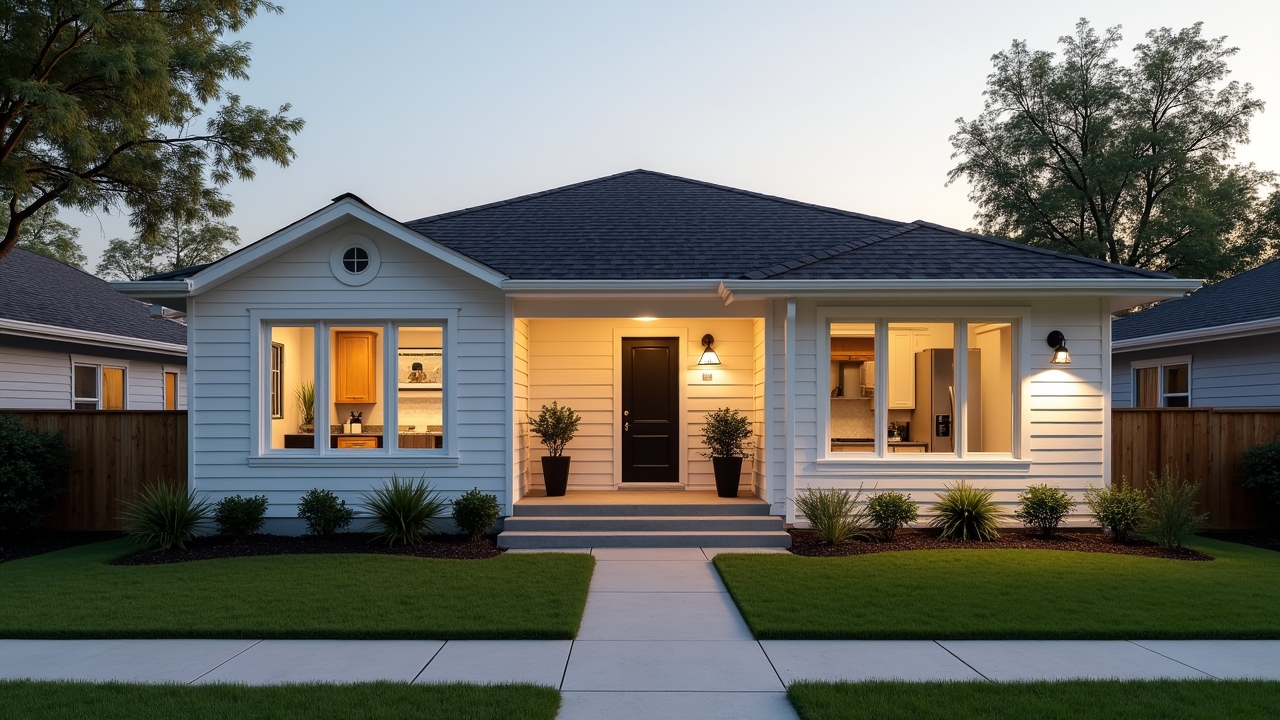
Buy and hold is exactly what it sounds like. You buy a property, you hold onto it, and you rent it out for years (sometimes decades). My first rental was a tiny two-bedroom bungalow I bought in 2016. I didn’t do anything fancy, I just fixed the leaky faucet and slapped on some paint.
- You get steady cash flow every month
- Appreciation builds slowly over time
- Less stress, fewer moving parts
- Tax benefits from depreciation kick in nicely
Honestly, buy and hold felt like planting a tree. You water it a little, you wait, and eventually it just grows on its own. But here’s the thing nobody tells you: your money is basically frozen in that down payment. I had like $28,000 locked up in that bungalow for almost three years before I could even think about pulling equity out.
Then I Tried BRRRR (And It Humbled Me Real Quick)
BRRRR stands for Buy, Rehab, Rent, Refinance, Repeat. It’s basically the aggressive cousin of buy and hold. You buy a distressed property, fix it up, rent it, then refinance to pull your original cash back out so you can do it again.
My second deal was supposed to be my big BRRRR success story. Instead, it became my most expensive lesson. I underestimated the rehab budget by almost $15,000 because the foundation had issues nobody caught during inspection. Whoops. Lesson learned: always, always get a structural engineer if the house is pre-1970, especially if you’re in an older market like the ones discussed on BiggerPockets’ blog.
- Higher potential returns since you recycle capital
- Faster portfolio growth if you execute well
- Way more risk, especially with contractors and timelines
- Refinancing depends on appraisals, which can be unpredictable
When BRRRR works, it’s magic. You basically get free money back to invest again. When it doesn’t work, you’re stuck holding a property with a bunch of your cash still tied up, praying the appraisal comes in high enough.
Advertisements
The Cash Flow Difference Nobody Talks About
With buy and hold, cash flow tends to be more predictable from day one. You know your rent, you know your mortgage, and you can basically map it out on a spreadsheet. BRRRR properties often cash flow less at first because you’re refinancing into a new loan, sometimes at a higher interest rate depending on market conditions.
I actually messed this up on my third property. I refinanced too early, before my tenant even signed a lease, and the appraiser lowballed the value. That meant less cash back and tighter margins for almost a year. Painful, but educational.
Which Strategy Fits Your Personality?
This is the part people skip, but it matters so much. Are you patient? Do you like predictable, slow-and-steady growth? Buy and hold might suit you better. Are you more hands-on, comfortable managing contractors, and okay with some chaos? BRRRR could be your jam.
- Buy and hold: great for beginners, less stress, slower growth
- BRRRR: great for scaling fast, but requires strong project management skills
- Your local market conditions heavily influence which strategy performs better
- Interest rates also play a massive role in refinance-heavy strategies like BRRRR
Honestly, I use both now. Some properties I just buy and hold because they’re turnkey and I don’t want the headache. Others I BRRRR because the deal is too juicy to pass up, even with the added risk.
What I Wish Someone Told Me Earlier
Nobody warned me how emotionally different these two strategies feel. Buy and hold is calm, like autopilot. BRRRR is more like riding a rollercoaster where you built the tracks yourself while it’s moving. Both can work, but you gotta know yourself first.
Also, don’t underestimate how important your team is, your contractor, your lender, your property manager. A bad contractor can turn a promising BRRRR deal into a money pit real quick, and I learned that one the hard way with a project that ran four months over schedule.
So, Which One Should You Choose?
At the end of the day, both buy and hold and BRRRR can build serious wealth. It really comes down to your risk tolerance, your available time, and how comfortable you are managing renovations. Take the info here, tweak it to fit your own market and financial situation, and always double-check numbers with a professional before jumping in.
And hey, if you’re hungry for more real talk on rental strategies, cash flow tips, and lessons learned the hard way, swing by the Rent Yield Lab blog for more posts that’ll help you avoid the mistakes I made (and celebrate the wins too)!