Advertisements
Cash on Cash Return vs Cap Rate: The Metric Mix-Up That Cost Me a Great Deal
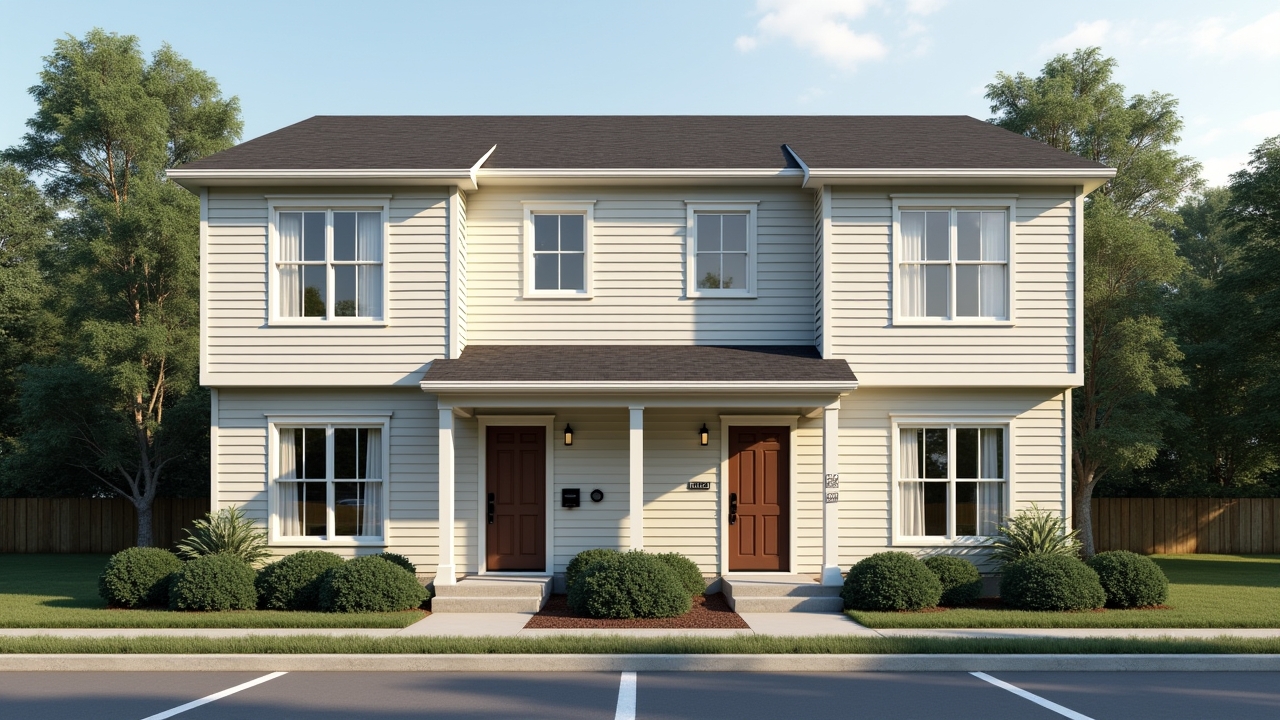
Here’s a stat that’ll stop you in your tracks: according to National Association of Realtors research, most first-time real estate investors can’t correctly explain the difference between cash on cash return and cap rate, even after reading about both terms a dozen times! I know this because I was one of them. Back when I bought my first duplex, I nearly walked away from a fantastic deal because I misunderstood what these numbers were actually telling me.
Let’s fix that confusion right now, together. Understanding cash on cash return vs cap rate isn’t just some nerdy finance exercise, it’s the difference between buying a property that pays your bills and buying one that drains your savings account. Trust me, I’ve done both.
What Cap Rate Actually Tells You
Cap rate, short for capitalization rate, measures a property’s return based purely on its price and income, ignoring how you paid for it. The formula is simple: net operating income divided by purchase price. So if a property generates $20,000 in net operating income and costs $250,000, you’re looking at an 8% cap rate.
Here’s the thing though. Cap rate doesn’t care one bit about your mortgage. It treats every deal like an all-cash purchase, which is honestly kind of weird when you think about it. I remember comparing two properties early on using only cap rate, and I almost picked the wrong one because I forgot financing changes everything.
- Cap rate is great for comparing similar properties in the same market
- It’s a snapshot metric, not affected by your loan terms
- Investors and appraisers use it constantly, so you’ll see it everywhere
- Higher cap rate usually means higher risk, lower cap rate often means safer, stabilized property
Cash on Cash Return: The Metric That Actually Matters to Your Wallet
Now here’s where things get personal, literally. Cash on cash return measures the actual cash income you earn relative to the actual cash you invested out of pocket. This includes your down payment, closing costs, and any renovation money you sank into the place.
The formula? Annual pre-tax cash flow divided by total cash invested. I learned this lesson the hard way on a fourplex in 2019. The cap rate looked mediocre at 6%, and I almost passed. But when I ran the cash on cash numbers, factoring in my 25% down payment and decent financing terms, I was looking at a 14% cash on cash return. That property literally changed how I invest.
Here’s a tangent for you: leverage is wild. Using other people’s money (the bank’s) to amplify your returns can make a mediocre cap rate deal into a phenomenal cash flow machine. But it also cuts both ways, and I’ve seen investors get burned badly when rates went up and their cash on cash return tanked overnight.
Advertisements
Cash on Cash Return vs Cap Rate: Side by Side
So which one should you actually use? Honestly, friend, you need both. They’re answering different questions, and relying on just one is like driving with one eye closed.
- Cap rate answers: “How does this property perform independent of financing?”
- Cash on cash return answers: “How does this property perform based on MY specific investment and loan terms?”
- Cap rate helps you compare properties apples-to-apples across a market
- Cash on cash return helps you understand your personal, real-world profitability
I use cap rate first, as kind of a quick filter tool, when I’m scrolling through listings on LoopNet or similar sites. It helps me weed out properties that clearly won’t cash flow in that market. Then, once I’ve got a shortlist, I dig into cash on cash return using my actual financing scenario. This two-step process has saved me from at least three bad purchases, no joke.
A Mistake I Made (So You Don’t Have To)
Okay, story time. Early in my investing journey, I found a property with an amazing 9% cap rate. I got so excited I nearly wired earnest money before running the actual cash on cash numbers. Turns out, the seller was quoting cap rate based on unrealistic rent projections, and once I factored in my actual mortgage payment at the time (rates were higher than I expected), my cash on cash return was barely 2%.
Two percent! I could’ve earned more in a boring index fund. That mistake taught me to never trust a single metric in isolation, and it’s why I always tell newer investors to run both calculations before getting emotionally attached to a deal.
Quick Tips From My Spreadsheet Disasters
- Always verify the seller’s income and expense numbers independently, don’t just trust their pro forma
- Factor in vacancy rates realistically, not the optimistic 0% some sellers assume
- Recalculate cash on cash return whenever your financing terms change, even a half-point rate difference matters
- Use tools like BiggerPockets’ rental property calculator to double-check your math
Bringing It All Together for Your Own Deals
Understanding cash on cash return vs cap rate genuinely changed how I evaluate every property now, and it’s not overly complicated once it clicks. Cap rate gives you the market-level picture, while cash on cash return gives you the deeply personal, “will this actually make me money” answer. Both matter, and ignoring either one is honestly a rookie mistake I made myself.
Every investor’s situation is different though, so please customize these calculations to your specific financing, market, and risk tolerance rather than copying someone else’s numbers blindly. And always double check your assumptions on rent, expenses, and vacancy before committing real money, because optimistic math on paper doesn’t pay your mortgage.
If this got you thinking more seriously about real estate metrics, I’d genuinely encourage you to browse more articles over at the Rent Yield Lab blog. There’s a ton of practical, real-world content there that goes way beyond what I covered today, and honestly, it’s helped me sharpen my own investing strategy more than once!