
Advertisements
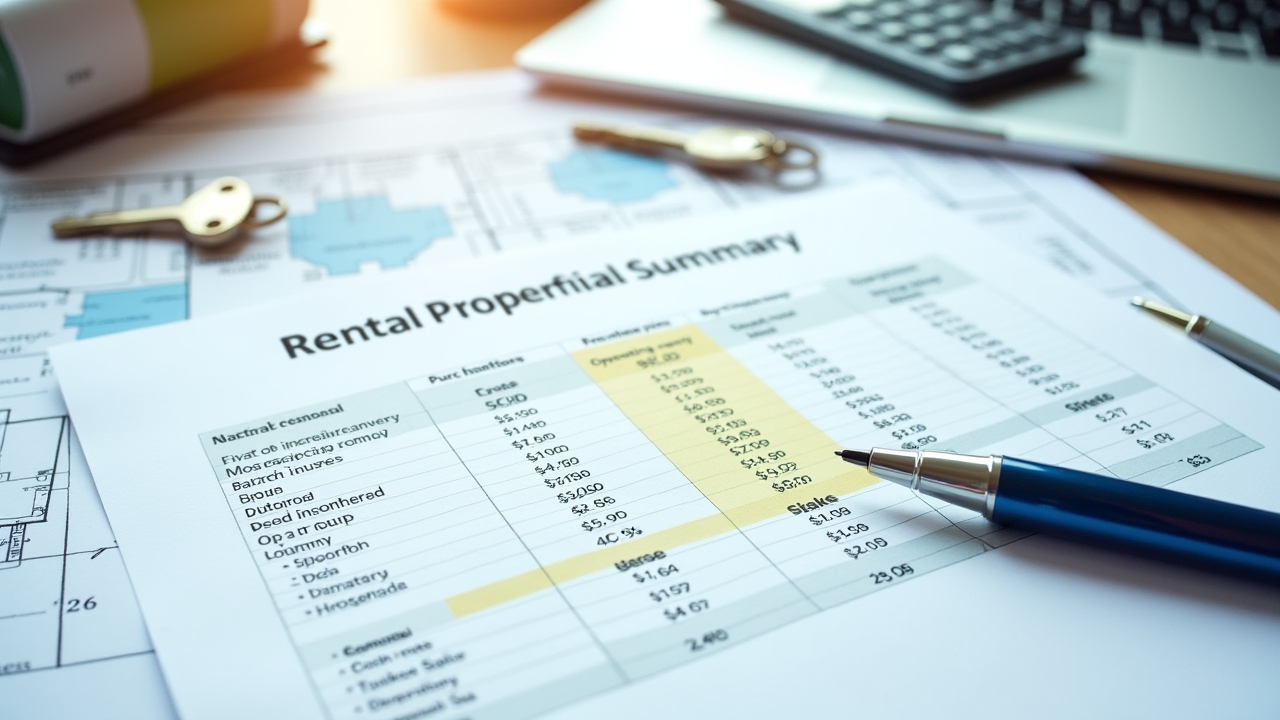
The Rental Property ROI Formula That Saved My Bacon (After I Almost Blew $40K)
Did you know that nearly 90% of new landlords underestimate their true return on investment in the first year? I know because I was one of them! Back when I bought my first duplex, I thought I understood numbers pretty well. Turns out, I had no clue what I was doing.
That mistake almost cost me forty grand. So let’s talk about the rental property ROI formula, because getting this right can literally make or break your investment.
Why This Formula Actually Matters
Here’s the thing nobody tells you when you start looking at rental properties: the sticker price means almost nothing. You gotta look past that shiny number and calculate what you’ll actually pocket. I learned this the hard way, and trust me, you don’t want to repeat my mistakes.
Return on investment tells you whether a property is actually worth your time and money. Without it, you’re basically gambling. And I don’t know about you, but I’d rather leave the gambling to Vegas.
The Basic Rental Property ROI Formula
Okay, let’s get into the nuts and bolts here. The simplest version looks like this:
Sounds simple, right? It is, until you start forgetting expenses. That’s exactly what happened to me on that duplex I mentioned earlier.
My Big Mistake (Please Learn From This)
I calculated my ROI using only the mortgage payment as my expense. I completely forgot about property taxes, insurance, maintenance, and vacancy periods. Rookie mistake, I know! My “amazing” 12% ROI turned into a measly 3% once reality hit.
Advertisements
Vacancy alone can eat 5-8% of your annual income depending on your market. According to BiggerPockets, most experienced investors budget for at least one month of vacancy per year. I wish someone had told me that before I signed the papers.
Breaking Down Each Component
Calculating Annual Rental Income
This one seems obvious, but there’s nuance here. You gotta account for realistic occupancy rates, not the dream scenario where your unit is rented 365 days a year. Nobody’s that lucky, not even in a hot market.
Calculating Operating Costs
This is where most beginners (me included) mess up big time. Operating costs include way more than just your mortgage. Let me break it down for you so you don’t repeat my expensive error.
I once had a tenant call about a broken water heater at 11pm on a Sunday. That $1,200 repair wasn’t in my original budget, and it definitely wasn’t fun explaining to my wife why our vacation fund took a hit.
Cap Rate vs. Cash-on-Cash Return
Now here’s something that confused me for way too long. Cap rate and cash-on-cash return aren’t the same thing, even though people throw these terms around interchangeably. Cap rate ignores your financing entirely, while cash-on-cash return factors in your mortgage and down payment.
If you’re paying cash for a property, these numbers will actually be identical. But if you’re financing (like most of us are), they’ll tell you very different stories. I recommend using resources like Investopedia’s cap rate guide to really nail down these distinctions.
A Real Example From My Portfolio
Let me show you actual numbers from my second property, because theory only gets you so far. This one I calculated correctly, thankfully.
That felt amazing after my earlier flop. Sweet, sweet redemption! It taught me that patience and thorough calculations actually pay off, literally.
Tools That Make This Easier
You don’t have to do this math by hand every single time, thank goodness. There’s plenty of calculators out there now. I personally like using spreadsheets I built myself, but if you’re not into that, plenty of free online calculators exist too.
Whatever tool you use, just make sure you’re being brutally honest about expenses. Overestimating income and underestimating costs is the fastest way to end up disappointed, or worse, underwater on your investment.
Wrapping This All Up
Look, the rental property ROI formula isn’t rocket science, but it does require honesty and attention to detail. Skip a category of expenses, and your numbers will lie to you. I learned this lesson the expensive way so hopefully you don’t have to.
Every market’s different, and every property comes with its own quirks, so customize these formulas to fit your specific situation. Always double-check local regulations and consult a tax professional before making big decisions, because rules vary by state and even by city.
If you found this helpful, swing by the Rent Yield Lab blog for more real-talk guides on rental property investing. We’ve got tons of articles that’ll help you avoid the mistakes I made (and maybe a few new ones I haven’t told you about yet)!